PHOTO
I photographed the No Kings Day 3.0 march in Oakland, where crowds gathered at Frank H. Ogawa Plaza, also known as Oscar Grant Plaza, and marched to the Lake Merritt Amphitheater as part of the third and largest national day of action against the Trump administration. The March 28 protests drew more than eight million people across more than 3,300 events in all fifty states, making it the largest single-day demonstration in United States history. Demonstrators filled the streets with signs, banners, and music, opposing the administration’s immigration crackdown, the war in Iran, and the ongoing assault on democratic rights, and looking ahead to May Day.
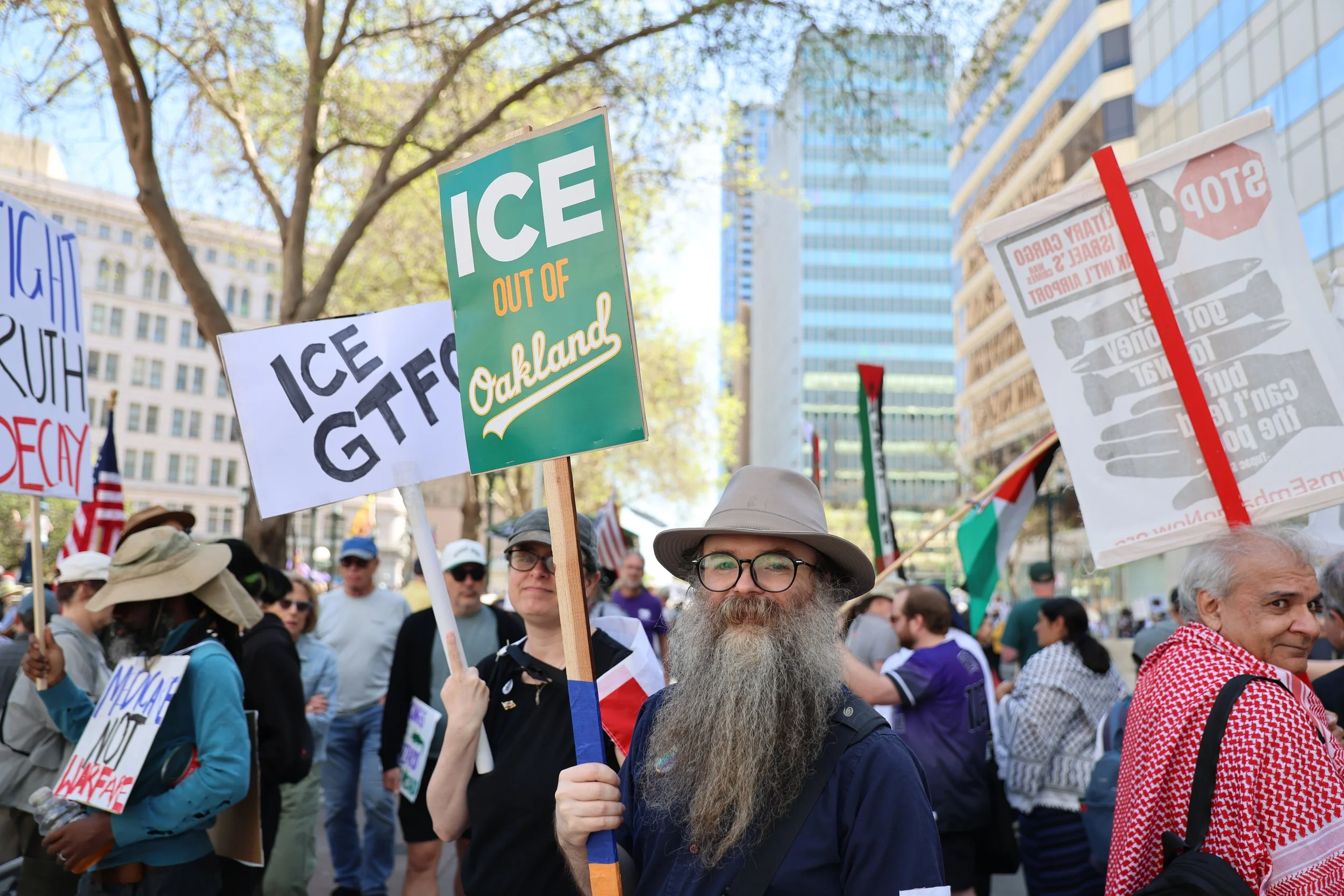
“ICE Out of Oakland”—Demonstrators at Frank Ogawa Plaza carried signs demanding an end to Immigration and Customs Enforcement operations in the city, one of the march’s central demands alongside opposition to the war in Iran.
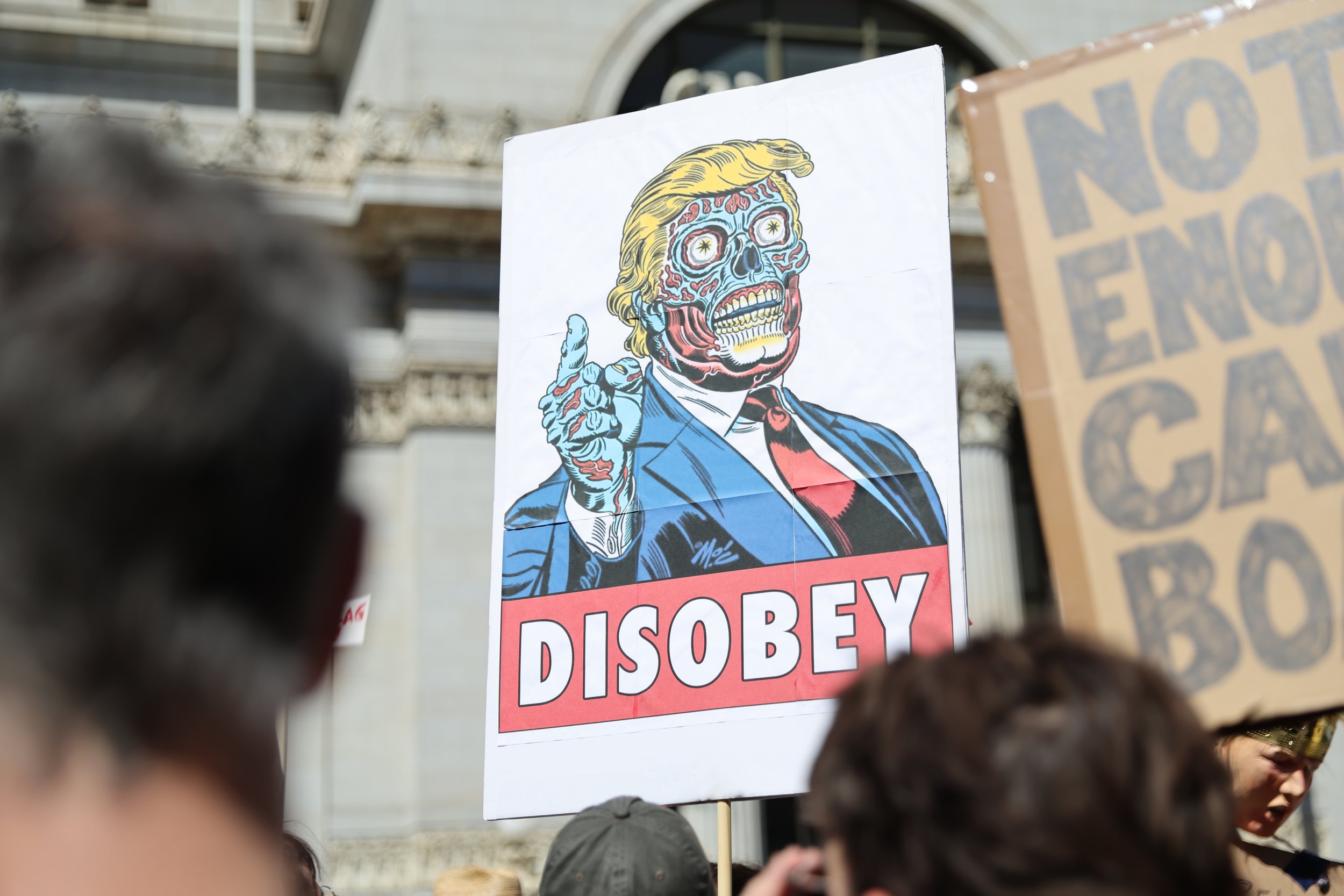
“Disobey”—A protester’s sign offered a pointed instruction as the crowd moved through the streets on the largest single-day demonstration in United States history.
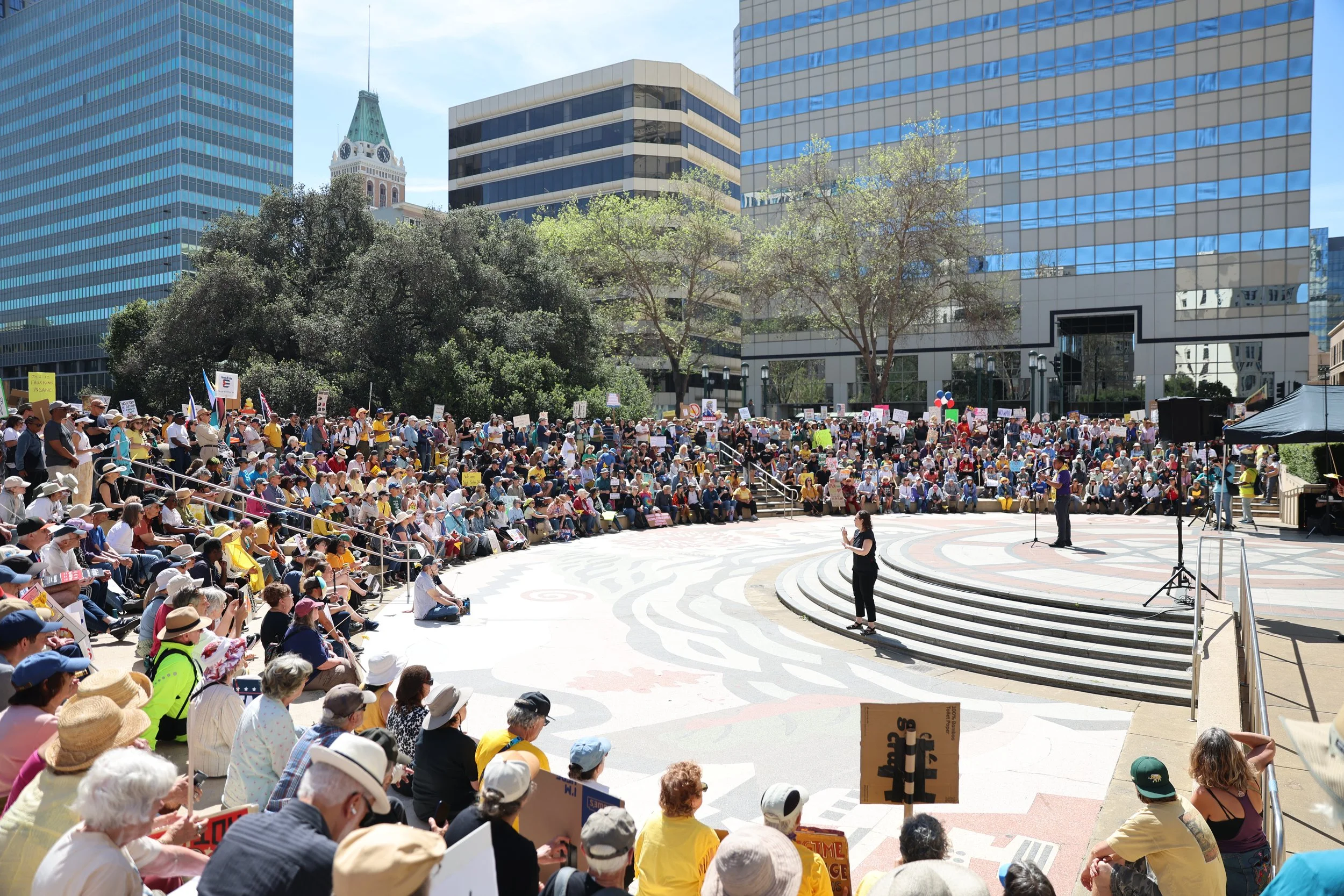
Frank H. Ogawa Plaza, also known as Oscar Grant Plaza, was filled with marchers as the Oakland No Kings contingent assembled before moving through downtown toward Lake Merritt.
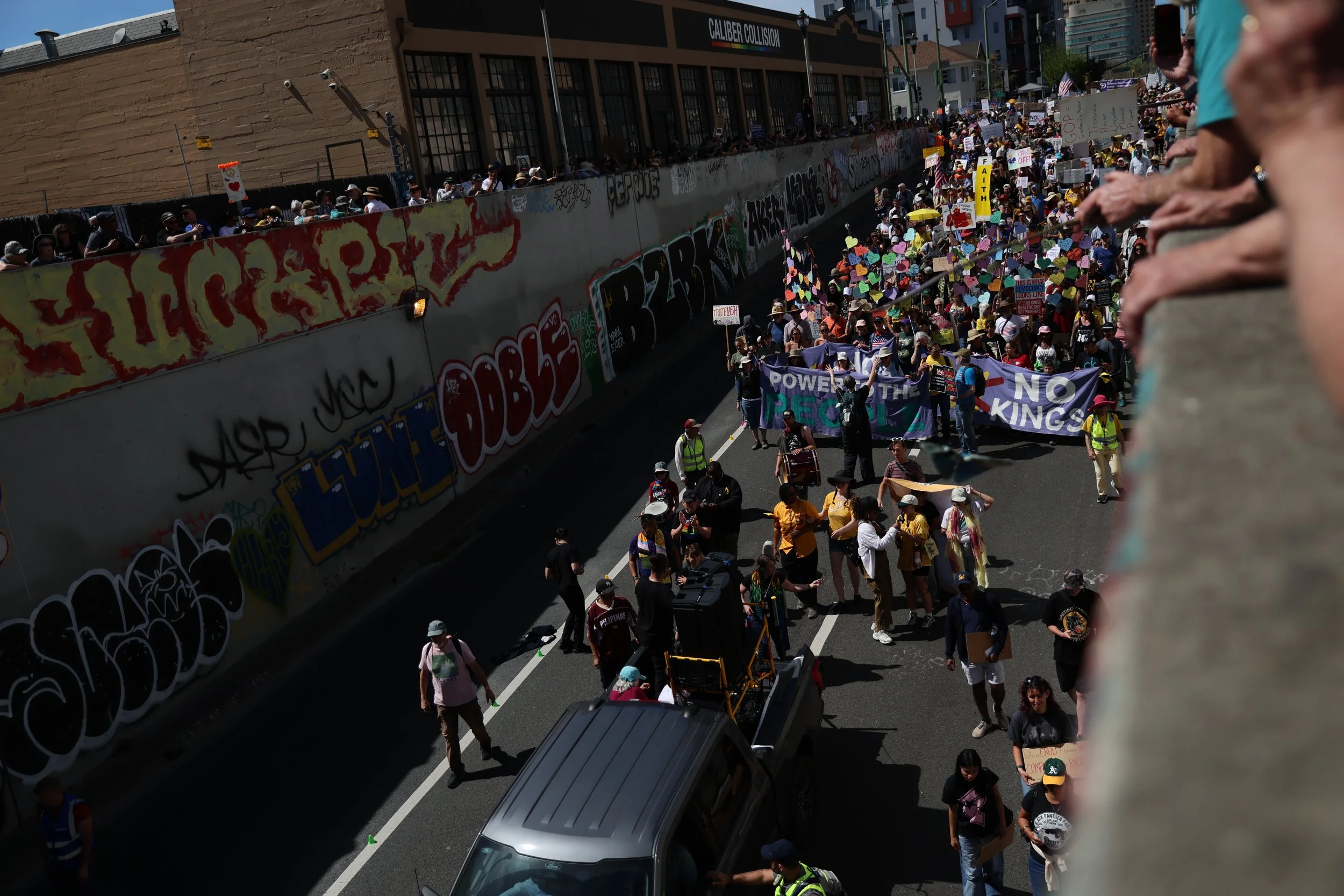
The march moved under an overpass as thousands of Oakland demonstrators made their way from Frank Ogawa Plaza to Lake Merritt, one of more than 3,300 No Kings events held across all fifty states on March 28.
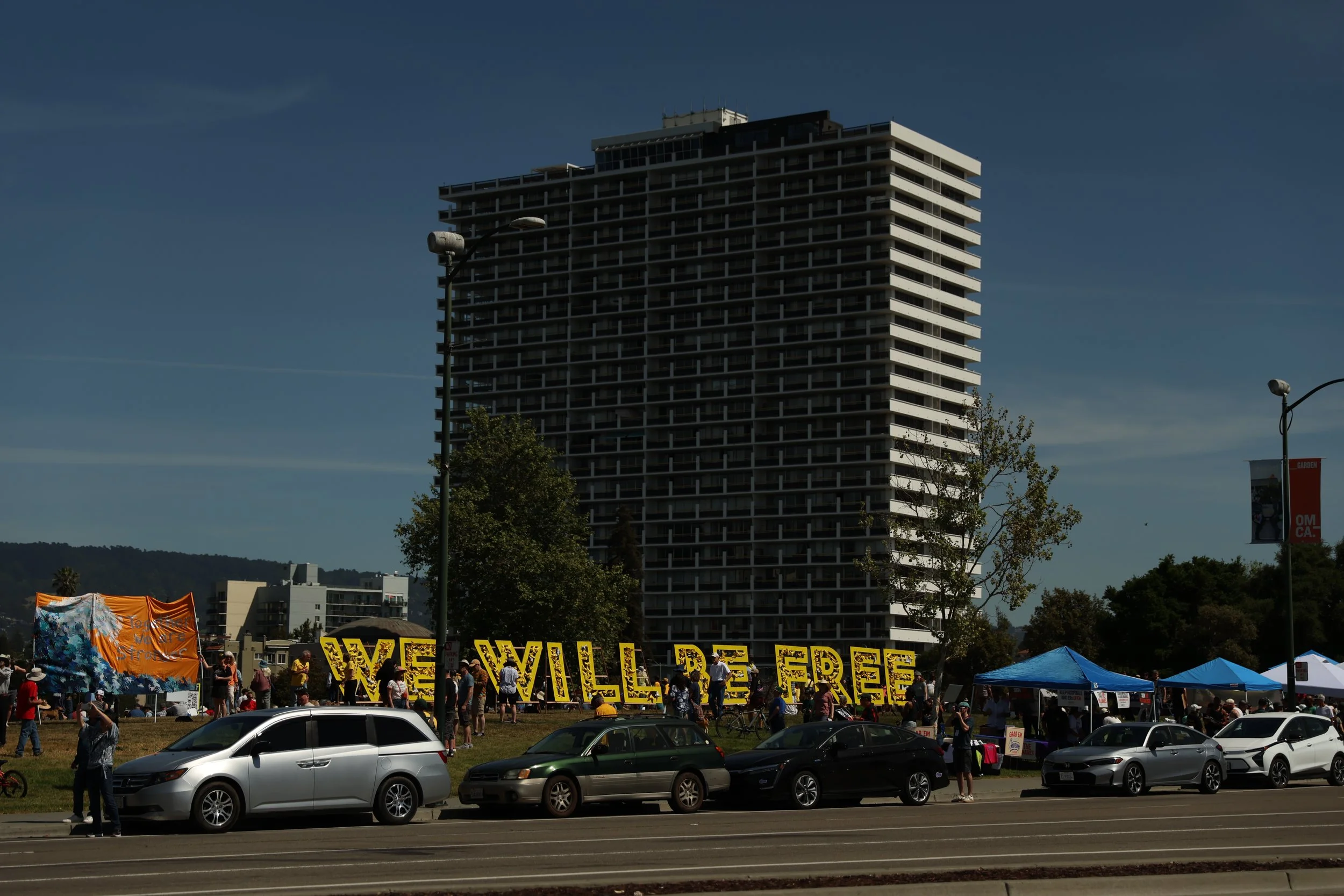
“We Will Be Free” — Marchers carried a large yellow banner through the streets of Oakland, one of dozens of handmade signs that defined the visual character of the march.
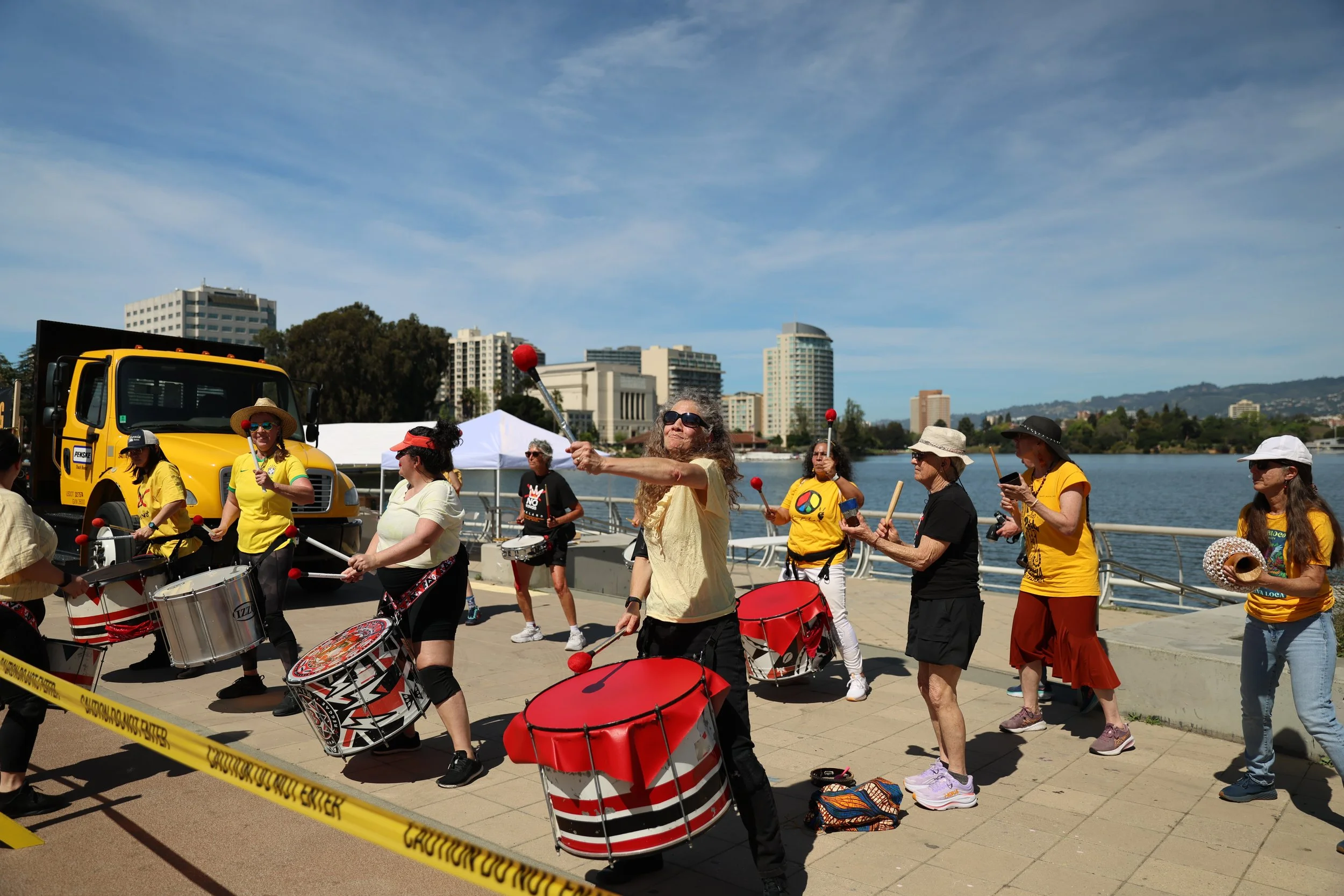
Music and dance filled the streets as demonstrators marched, reflecting the joyful and defiant character of the Oakland contingent.
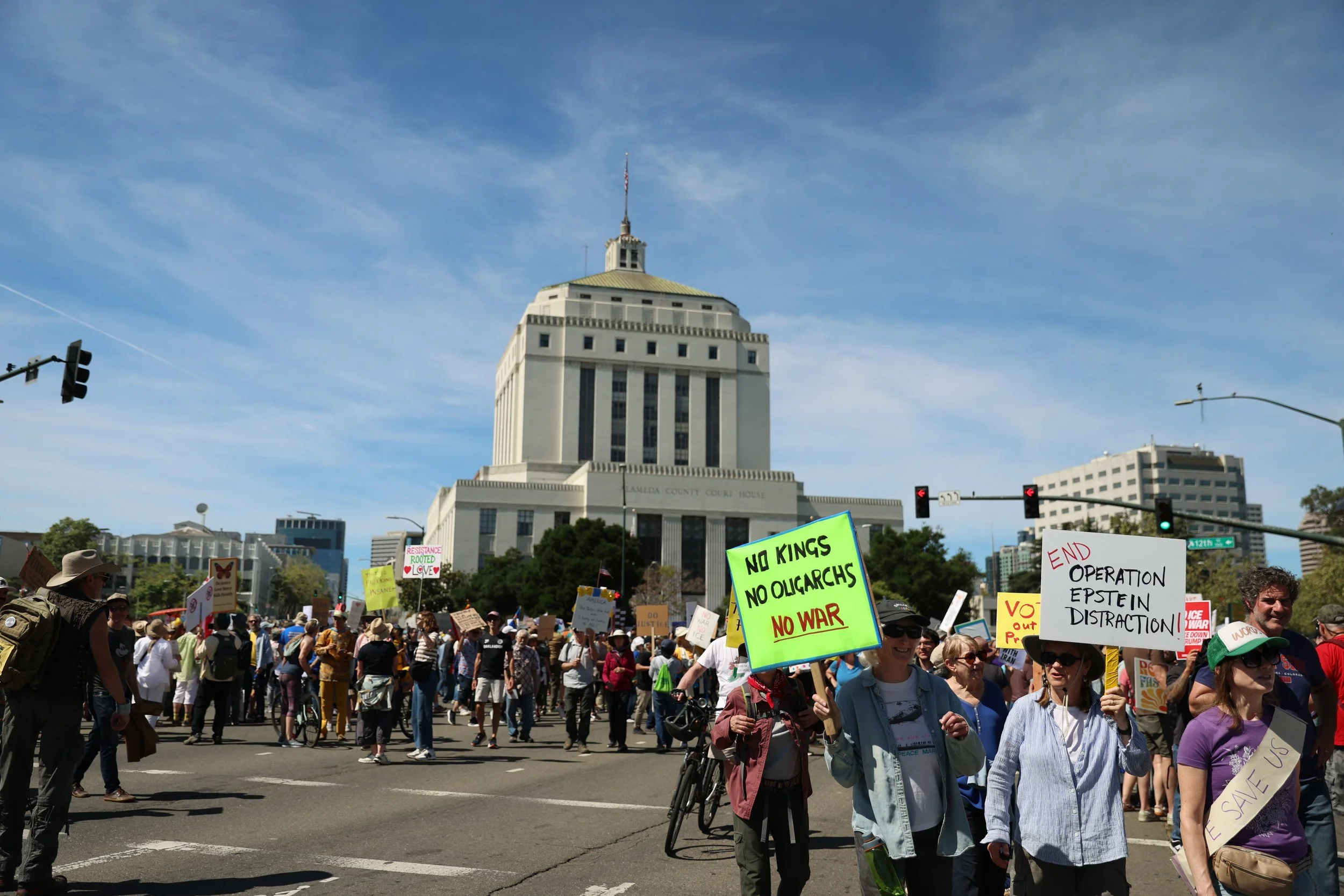
Marchers passed the Alameda County Courthouse as the procession moved through downtown Oakland toward the Lake Merritt Amphitheater.
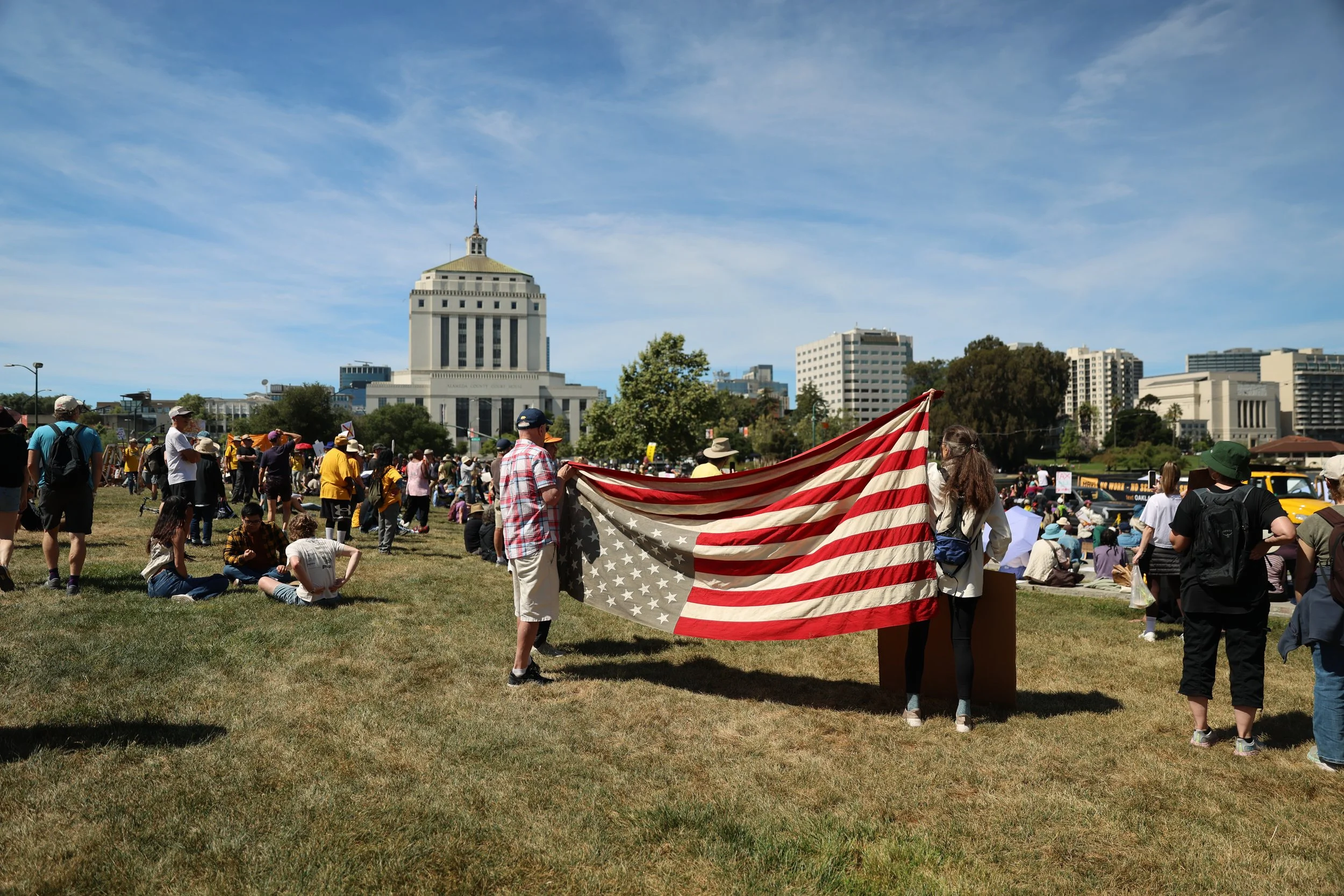
An upside-down United States flag—a longstanding symbol of national distress—was carried through the march, as demonstrators called out the administration’s attacks on democratic rights, immigrant communities, and civil liberties.
I photographed a rally at UCSF Medical Center at Mission Bay, where social workers and more than two hundred members of University Professional and Technical Employees Communications Workers of America Local 9119 (UPTE CWA 9119) demanded real safety protections from the University of California. The rally came two months after the fatal stabbing of UC social worker and UPTE member Alberto Rangel, and amid survey data showing 90 percent of UCSF campus social workers have faced physical, sexual, or verbal assault or threats on the job. Workers rallied, then marched on the boss to deliver a letter of demands to Chancellor Sam Hawgood’s office, calling on UC to implement common-sense safety measures, increase staffing, and end a two-tiered pay system that drives turnover and puts workers, patients, and communities at risk.
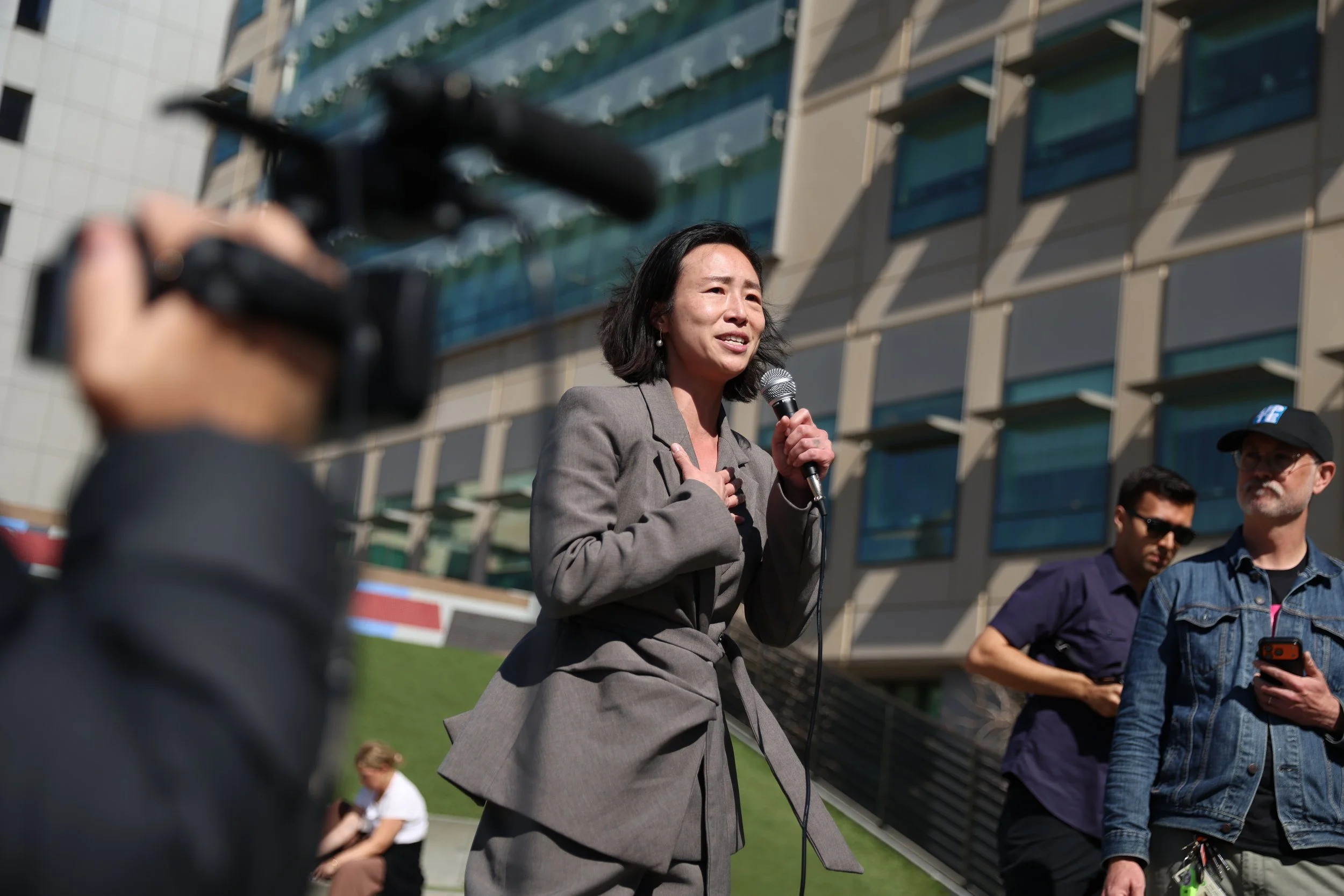
Connie Chan, San Francisco Supervisor, joined Supervisors Shamann Walton and Matt Dorsey at the rally in support of workers’ demands. “It shouldn’t take one of our workers’ deaths to raise awareness for a safe working environment,” Chan said.
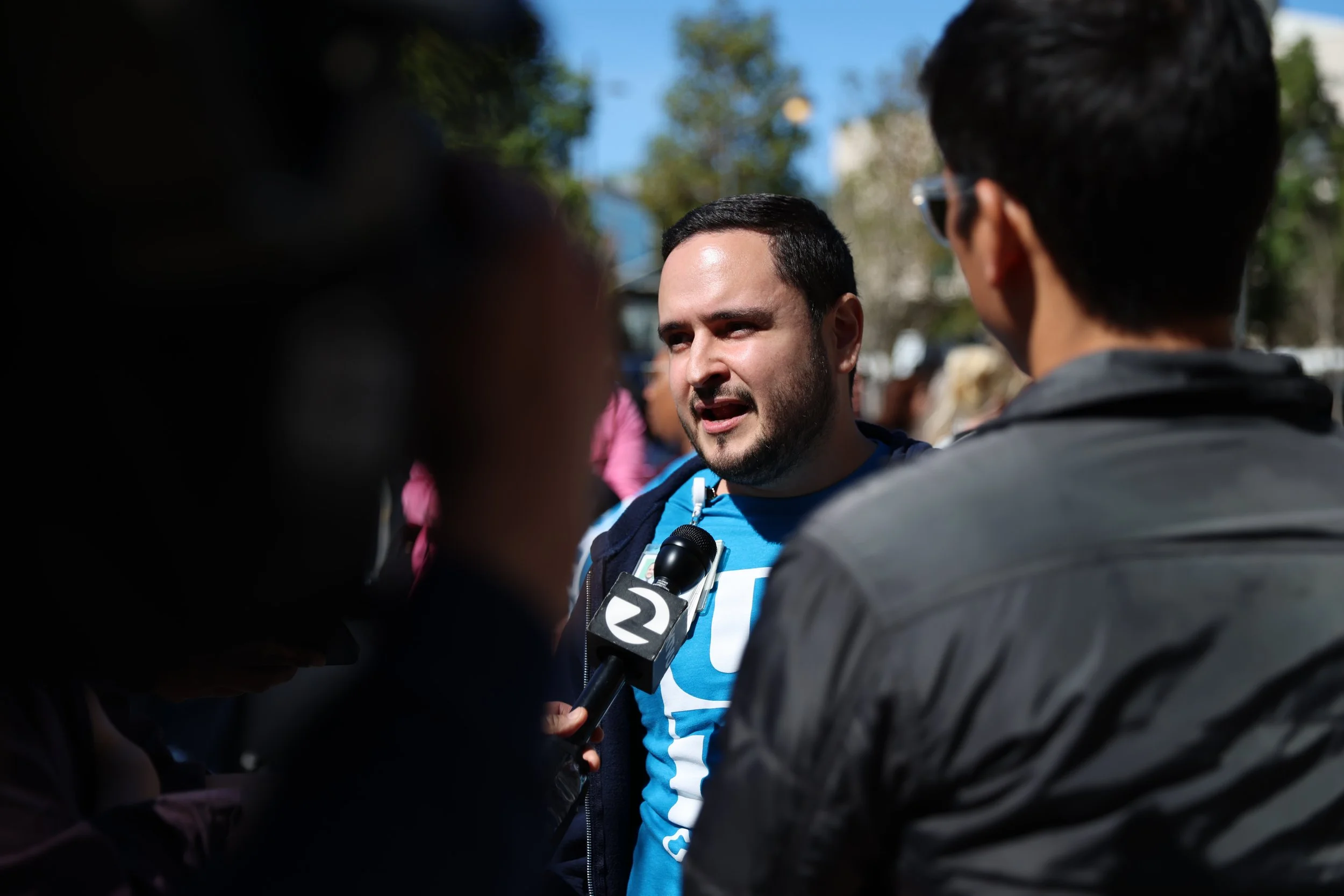
Matias Campos, UPTE-CWA 9119 executive vice president, called out the university’s refusal to engage with frontline workers. “UCSF as a system has not taken us seriously and has refused to meet with us,” Campos said. “The mayor has been responsive. The city and public health [department] has been responsive. But not our own employer.”
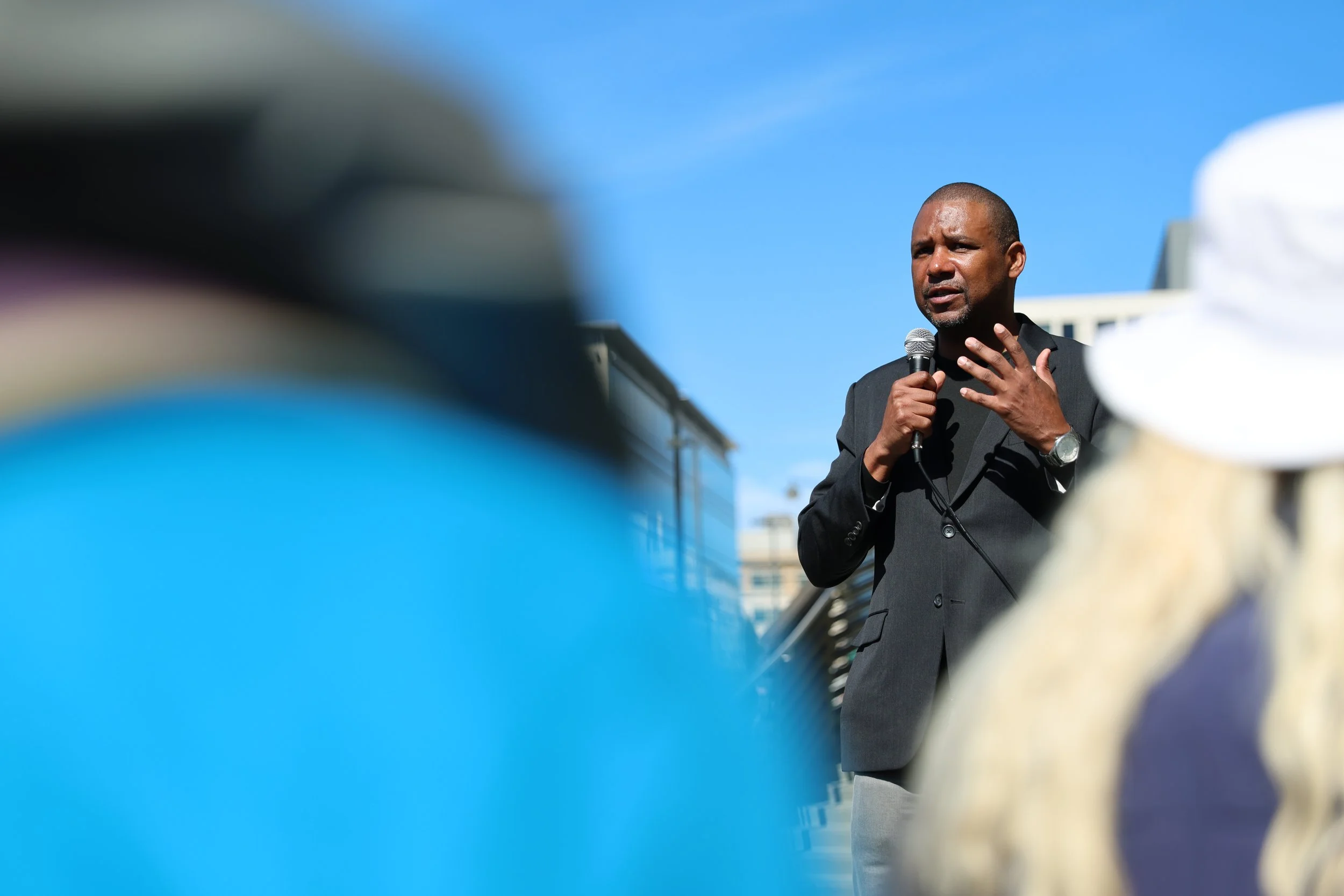
Shamann Walton, San Francisco Supervisor, was one of three Board members to attend the rally and offer public support. Both he and Supervisor Chan said they had each called UCSF directly in recent months to press the issue.
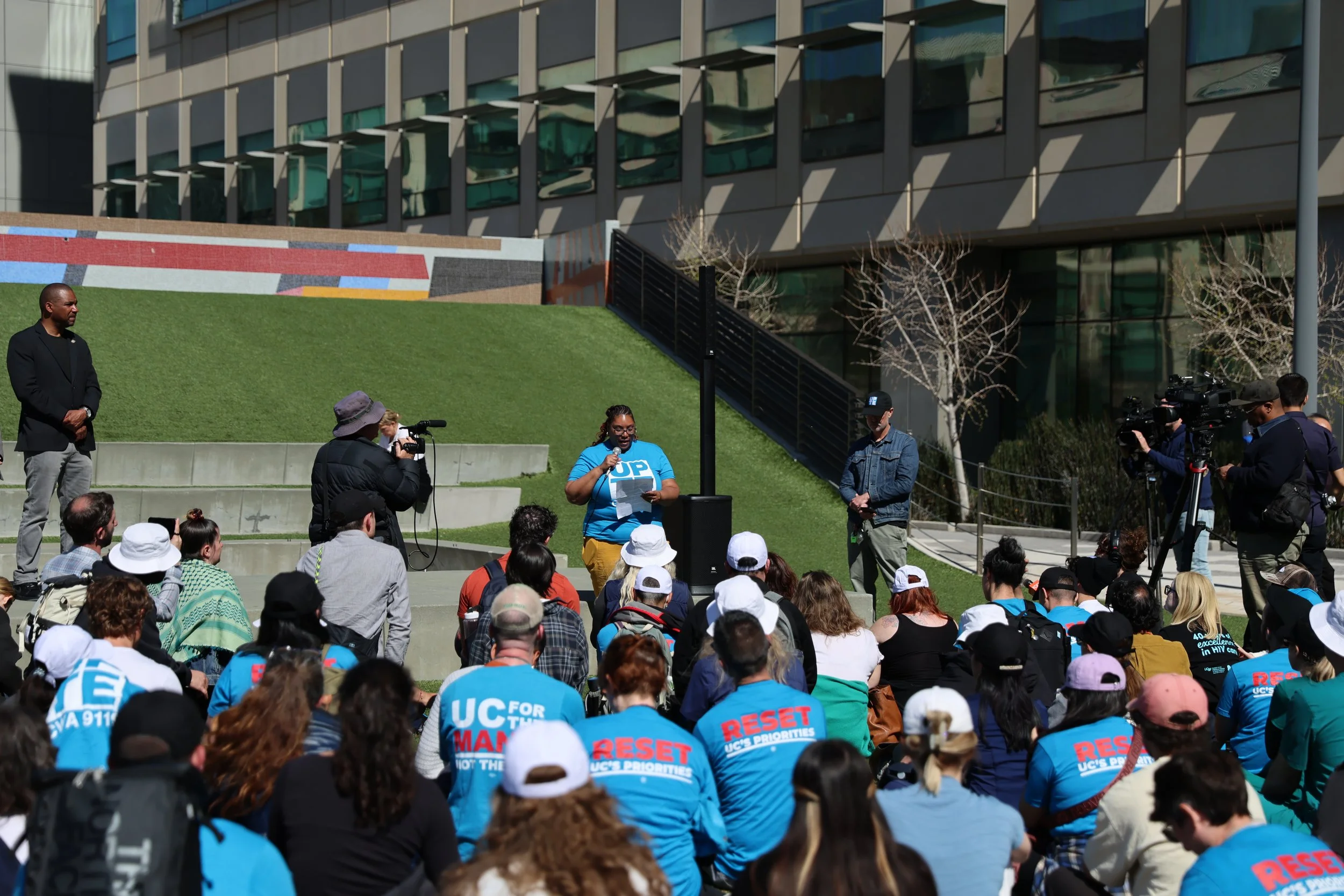
Tia Blackburn, a clinical social worker at San Francisco General Hospital and Trauma Center’s HIV Clinic at Ward 86, has been on medical leave since the killing of Alberto Rangel, who was fatally stabbed by a patient weeks after staff raised concerns. Blackburn said her caseload had exceeded five hundred patients, a level at which adequate assessment becomes impossible. “I feel like this tragedy was preventable had different measures been taken,” she said.
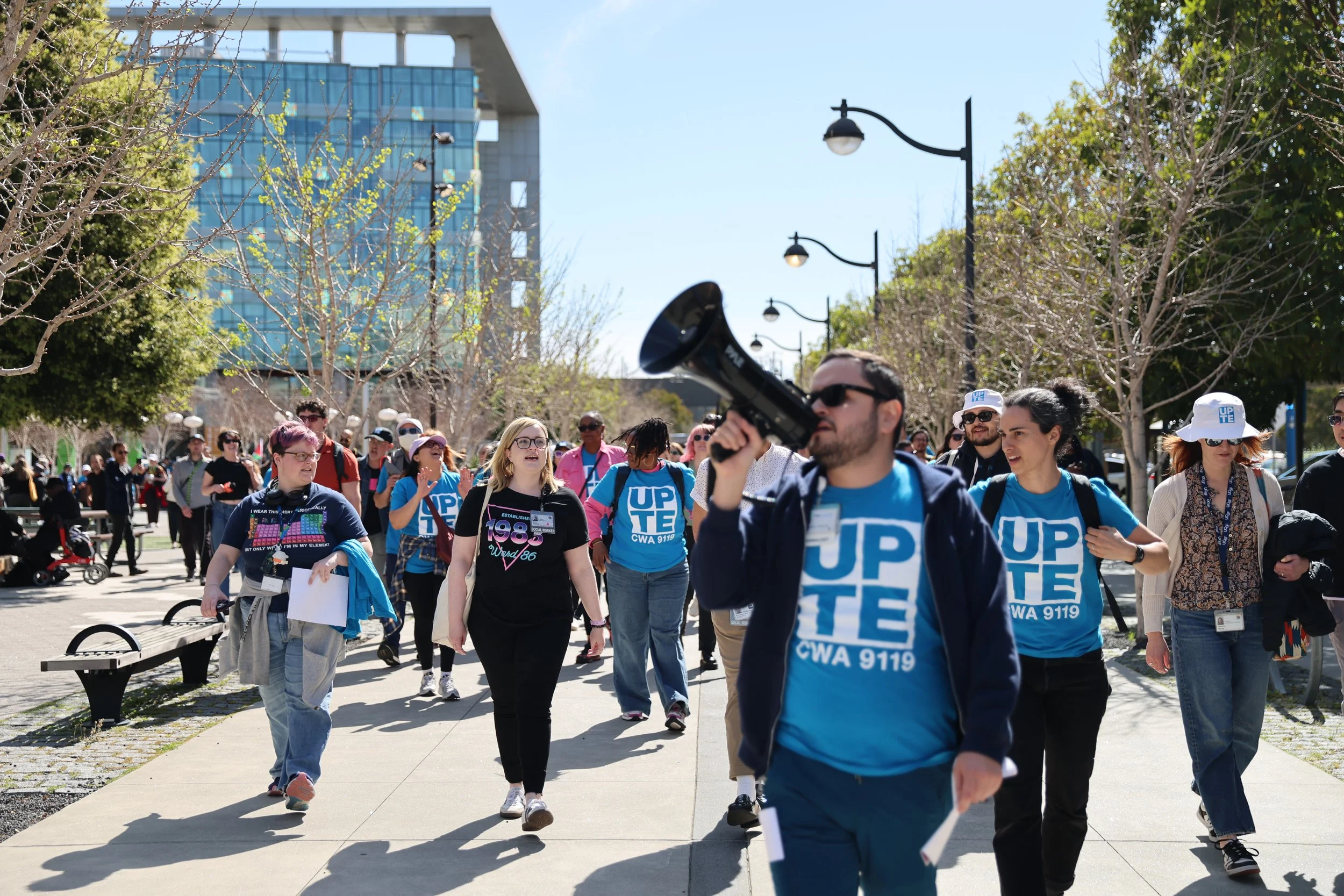
Following the demonstration, workers marched across 16th Street to Mission Hall to deliver a demand letter to Sam Hawgood, the chancellor of the University of California, San Francisco. A UCSF spokesperson said a university representative accepted the letter on behalf of the chancellor, who was at a meeting elsewhere.
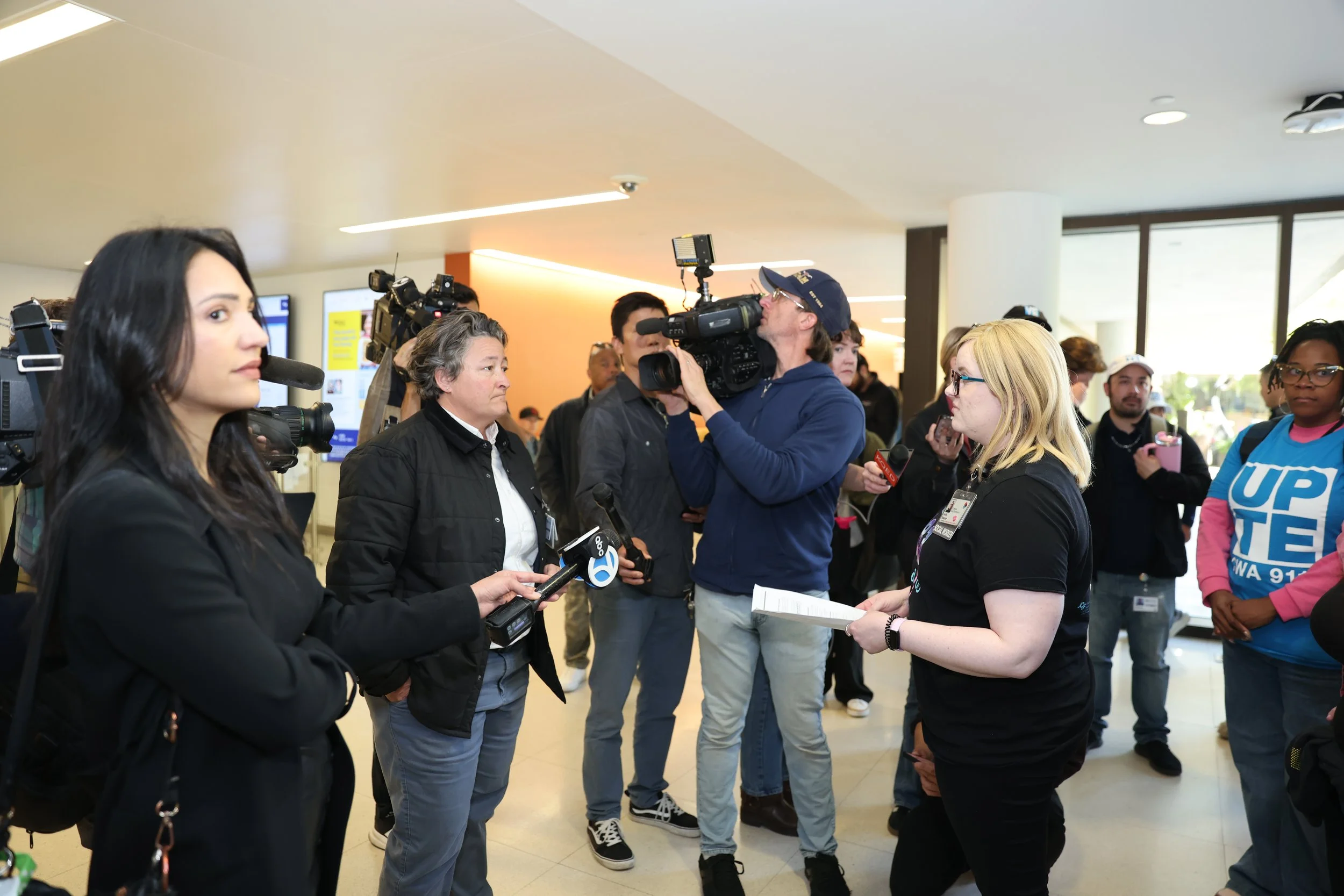
Julia Pascoe, UCSF social worker and UPTE member, delivered a letter of demands to a staff member from Labor and Employee Relations after Chancellor Sam Hawgood was unavailable to meet. “Their lack of urgency is disgusting,” said Pascoe. “We are clinicians who love our patients, and we expect more from our employer. We will not stop until our demands are met and until they meet with us.”